
Crown and Bridge
Sometimes a filling is not enough.
Teeth that need extra protection or are severely compromised may require something more robust, such as a crown. And where a tooth is already gone, a bridge can close the gap using the teeth on either side as leverage
At Fiacla Dental Clinic, Dr. Shelley and his team create and fit crowns and bridgework at our newly-renovated clinic in Dublin 14, using modern materials and trusted dental laboratories.

What Is a Dental Crown?
A crown is a lab-made restoration that covers the whole tooth, a bit like a cap. It sits over what's left of the natural tooth and is cemented permanently in place, restoring the shape, strength and appearance of the tooth underneath.
There are many variations of materials and designs for crown and bridgework, but in essence a crown covers a tooth that needs extra protection after root canal treatment, or one that is past the point of successfully placing a direct filling.
When Do You Need a Crown?
Your dentist may recommend a crown where a tooth is:
Cracked or fractured, and at risk of breaking further
Heavily filled, with little natural tooth structure left
Weakened after root canal treatment
Badly worn down by grinding or acid erosion
Discoloured or misshapen enough to affect your smile
Not every damaged tooth needs a crown. Where there's enough healthy teeth left, a filling, inlay or onlay may do the job with less preparation, and we'll always say so if that's the case. The aim is to keep as much of your own tooth as possible.
Do I Need a Crown After a Root Canal?
Not always, but quite often. Root canal treatment removes the nerve and blood supply, which leaves the tooth more brittle and prone to fracture, particularly at the back of the mouth where the biting forces are highest.
If we recommend a crown after root canal treatment, it's worth doing within the timeframe we suggest. Leaving a root-treated tooth unprotected is one of the more common ways a tooth that could have been saved ends up being lost, after already going to the time and expense to have it already treated with a root canal
What Are Crowns Made From?
Crown materials have moved on considerably, and the right one depends on several factors including where the tooth sits in your mouth. As mentioned above, there are many variations of materials and designs for crown and bridgework, including:
Porcelain and ceramic. The most natural-looking option with a look that’s close to real enamel. Usually the best choice for front teeth.
Zirconia. An exceptionally strong material that often best suits the back teeth where pressure from chewing is strongest/.
Porcelain fused to metal. This pairing combines strength with a tooth-coloured surface. However, sometimes the metal edges can show at the gumline over time.
Gold and metal. Crowns are very durable and need fewer teeth removed but people often opt for something different at the front due to the colour.
What To Expect?
The process of creating a crown is done over two visits.
On the first visit, we prepare the tooth in question, copy this for the dental lab using an intra-oral scanner, and make and place a temporary crown. The preparation involves shaping the tooth so the crown fits over it precisely, and it's done under local anaesthetic so you shouldn't feel it.
The lab then makes your crown, which typically takes three to four] weeks. The temporary crown protects the tooth in the meantime. It's not as strong as the finished one, so go easy on anything very chewy or hard on that side until it's replaced.
The second visit will involve the removal of the temporary crown and placement of your finished crown. We check the fit, the bite and the shade with you before it's cemented permanently.

What Is a Dental Bridge?
Bridgework can be thought of as connected crowns that form a bridge and span a gap to replace missing teeth. The teeth on either side of the gap are crowned and carry a false tooth between them, all as one fixed unit.
Unlike a denture, a bridge doesn't come out. It's cemented in place and you clean around it rather than removing it.
The main types are:
A conventional bridge, supported by crowns on the teeth either side of the gap.
A Maryland bridge, held by a thin wing bonded to the back of a neighbouring tooth, which needs far less preparation and is often used for a single missing front tooth.
A cantilever bridge, supported from one side only, where there's a suitable tooth on just one side of the gap.
Bridge or Implant?
Both replace a missing tooth, and neither is automatically the right answer.
A bridge is quicker and usually less expensive, and it's fixed in place within a few weeks rather than several months. The trade-off is that the healthy teeth on either side have to be prepared to take the crowns, which means removing enamel from teeth that had nothing wrong with them.
An implant leaves the neighbouring teeth untouched and replaces the root as well as the tooth, which keeps the jawbone stimulated. It costs more and takes longer.
Where the teeth either side of the gap are already heavily filled or crowned, a bridge often makes good sense, because they may need crowning anyway. Where they're perfectly healthy, we'd usually talk you through an implant first.
How Much Do Crowns and Bridges Cost?
Cost depends on several factors including the material used, complexity of your case, length of time required and how many teeth are involved. At Fiacla Dental Clinic, our prices typically range from:
Crowns €1150 to €1350
Conventional bridge €1000 per unit
Post & core €250 to €450
Meet Your Crown and Bridge Dentist
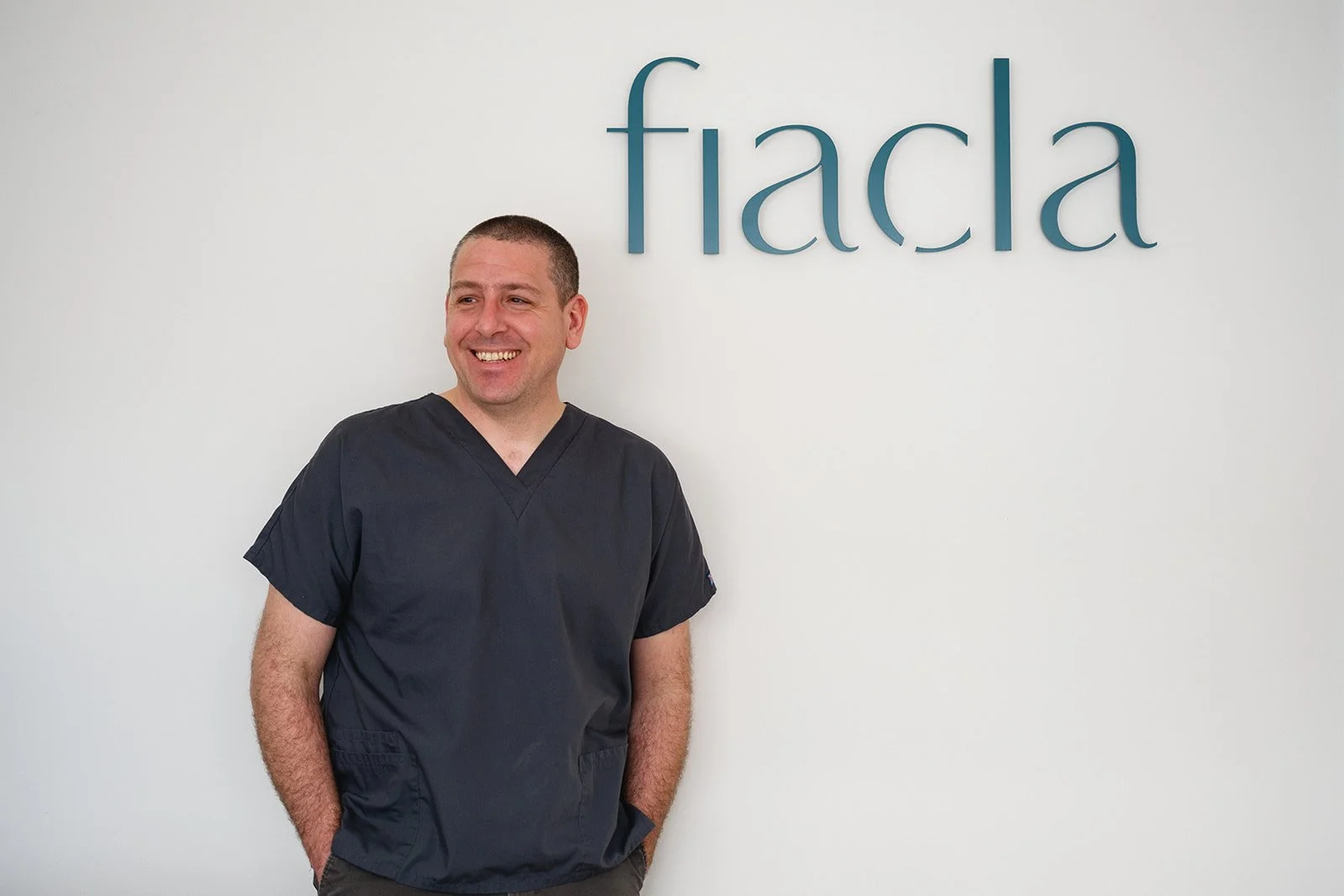
Dr. Shawn Shelley has worked in private practice in both Ireland and Singapore, having completed his Pre-Med degree at the University of Wyoming before qualifying as a dentist at Trinity College Dublin.
At Fiacla Dental Clinic, each patient is unique and we base our high-quality dental care around your individual needs. We take a conservative approach, keeping as much of your natural tooth as we can, and you'll see the same dentist from preparation through to the final fit.
Looking After Your Crown or Bridge?
Neither can decay, but the natural tooth underneath a crown and the teeth supporting a bridge absolutely can. That's where problems usually start, right at the margin where the restoration meets the gum.
A well looked after crown will generally last longer, so:
Brush twice daily, paying attention to the gums and gumline.
Clean between the teeth daily, and under a bridge with an interdental brush or superfloss.
Keep up with your regular check-ups and hygienist appointments.
If you grind your teeth at night, consider using a nightguard.
Why Patients Choose Fiacla Dental Clinic
I honestly couldn't recommend Shawn, Niamh, and the team at Fiacla Dental highly enough.
I've had a crippling fear of the dentist for many years and avoided going far more often than I should because of it. From my very first visit, they went above and beyond to make me feel comfortable and at ease.
Shawn has such a calm, gentle manner during every procedure, and Niamh and the whole team are incredibly kind, patient, and reassuring. They never make you feel rushed or judged, and they genuinely care about making the experience as stress-free as possible.
Thanks to their support, I'm no longer terrified of going to the dentist and now feel much calmer and able to attend regular appointments. If you're a nervous patient like me, I genuinely couldn't recommend Fiacla highly enough.
- Kim H.
Fiachla Dental is the best dental practice I have ever experienced.
From the moment you step into the Clinic you feel at ease - having designated parking spots out front, and a wonderfully calm and beautifully appointed waiting room.
In my visits to the Clinic I have found the staff are attentitive, friendly and efficient.
Dr Shawn is informative, thorough and has a very clear and calm manner.
I feel that if I had been attending a Dental Clinic like this previously over the years, then I wouldn't have been as nervous about dental work.
They are second to none, and I am delighted that I have moved to this practice, and my husband will be doing the same!
- Caroline B.I've visited Dr Shawn at Fiacla Dental a few times now and every experience is more positive than the last! I honestly could not recommend this place more highly or say enough positive things about this clinic! There is a warm, calm, friendly and welcoming environment from the minute you walk through the door. The place is spotlessly clean with a very relaxing vibe. I've never been one to be overly nervous of the dentist but from the second I walked in, Conor the dental nurse put me completely at ease with his bubbly and warm demeanour. My visits with Dr Shawn and most recently with Heloisa alongside him for an extraction an,d during the week, a scale and polish have been extremely positive. Everything is explained clearly without overwhelming information. Clearly these are highly skilled professionals who put all nerves to rest from the moment you arrive. I'm literally telling everyone who will listen to move to this clinic. Second to none!
- Ann C.Frequently Asked Questions About Crowns and Bridges
-
A crown is a custom-made cap that covers the entire tooth and is cemented permanently in place. It restores the strength, shape and appearance of a tooth that's too damaged or weak for a filling.
-
A bridge replaces one or more missing teeth using the teeth either side of the gap for support. It's fixed in place rather than removable, and it's made as a single unit in a dental laboratory.
-
The tooth is numbed with local anaesthetic before it's prepared, so you shouldn't feel pain during the appointment. Some sensitivity around the tooth and gum for a few days afterwards is normal and settles on its own.
-
Typically 10-15 years, often longer with good care. The lifespan can depend on where the tooth sits, how well you look after it, and habits like grinding or chewing on hard objects.
-
The crown itself can't decay, but the natural tooth underneath can. This usually happens at the margin where the crown meets the gum. Daily cleaning between the teeth and regular check-ups can help prevent it.
-
Crowns are made to match the shade and shape of the teeth around it. Bear in mind that crowns don't respond to whitening, so if you're planning to whiten, do it first and we'll match the crown to the result.
-
A veneer is a thin shell covering only the front surface of a tooth, used mainly for appearance. A crown covers the whole tooth and is used where the tooth needs structural protection as well.
-
Neither is better in every case. A bridge is faster and usually less expensive but involves preparing the healthy teeth on either side. An implant leaves them untouched and preserves the jawbone, but costs more and takes several months. We'll talk you through both.
-
Crowns and bridgework are non-routine dental treatments, so tax relief at the standard rate is generally available. We complete a Med 2 form for you, and you claim it through Revenue.
What to expect
There are many variations of materials and designs for crown and bridgework, but in essence, a crown is a lab-made restoration that covers a tooth that needs extra protection after a root canal treatment or is past the point of successfully placing a direct filling. Bridgework can be thought of as connected crowns that form a bridge and span a gap to replace missing teeth. There are also variations such as inlays and onlays that only cover part of the tooth. Come see us and we can discuss more.
The process of creating a crown is done over 2 visits. On the first visit, we will prepare the tooth in question, copy this for the dental lab, and make and place a temporary crown. The second visit will involve the removal of the temporary crown and placement of your finished crown.